by AMC Services AMC Services

Mastering Onboarding

A team of architects collaborates on a building project with construction tools nearby hinting at the work ahead
nateemee/123rf

Imagine starting your first day at a construction company with high hopes and enthusiasm, only to find yourself lost, untrained and unwelcomed. You’re handed a pile of paperwork, but given no guidance on how to complete it or what your role truly entails. You haven’t been introduced to anyone and when you ask questions, the responses are curt and unhelpful. Frustration builds as days turn into weeks and before the month is out, you decide to leave. This scenario isn’t just a personal setback, it’s a significant financial loss for the company, damaging its reputation and morale.

This story underscores the critical importance of proper onboarding in the construction industry. Effective onboarding isn’t just about introducing new hires to their roles, it’s about integrating them into the company culture, ensuring they understand their responsibilities and helping them build essential connections. At AMC Services, we believe that mastering onboarding is vital for the success of construction companies in Saskatchewan. Let’s delve into the Four Cs of successful onboarding: Compliance, Clarification, Culture and Connection.

Compliance

At the foundational level, onboarding must ensure that new employees are fully aware of legal requirements and organizational policies relevant to the construction sector. This includes educating them about safety regulations, project protocols and compliance standards that are essential for their roles.

Inadequate compliance training can lead to serious accidents, legal issues and costly project delays. Ensuring that all new hires understand these regulations protects the company and fosters a culture of safety. For instance, a worker who is well-versed in safety protocols is less likely to cause or be involved in an accident, thereby reducing the risk of costly work stoppages and legal ramifications.

Clarification

Beyond compliance, effective onboarding clarifies job responsibilities and expectations. New hires should have a clear understanding of their specific tasks, project objectives and performance metrics. This alignment is crucial for productivity and job satisfaction.

Without proper clarification, new employees can feel overwhelmed and confused about their roles, leading to mistakes and decreased productivity.

Without proper clarification, new employees can feel overwhelmed and confused about their roles, leading to mistakes and decreased productivity. For example, if a new project manager isn’t given a clear outline of their responsibilities, they may fail to meet deadlines or manage resources efficiently, impacting the entire project’s success. By clearly outlining job duties and expectations, companies can ensure that new hires are ready to contribute effectively from Day 1.

Culture

Central to successful onboarding is immersing new employees in the organizational culture. This encompasses both formal aspects, such as company values and mission statements, and informal norms prevalent within the workplace environment.

A strong cultural fit enhances employee engagement and retention. When new hires understand and align with the company’s values, they are more likely to feel a sense of belonging and commitment. For instance, a company that values teamwork and collaboration should introduce new employees to these principles during onboarding, fostering a supportive and cohesive work environment.

Connection

Finally, onboarding emphasizes the importance of establishing interpersonal relationships and information networks essential for success in the construction sector. Encouraging new hires to build connections with colleagues, supervisors and key stakeholders enables them to access support, resources and knowledge critical for their professional development and project performance.

Illustration of architect and engineer working on construction site
credevlop/123rf

Lack of connection can leave new employees feeling isolated and unsupported, which can lead to early turnover. For example, if a new engineer isn’t introduced to their team or doesn’t have a mentor, they might struggle to integrate and perform their duties effectively. Building these connections from the start helps new hires feel valued and supported, leading to higher job satisfaction and retention rates.

The cost of ineffective onboarding

Ineffective onboarding has substantial costs. High turnover rates due to poor onboarding lead to increased recruitment and training expenses. The constant churn of employees disrupts project timelines and lowers team morale. Furthermore, the company’s reputation can suffer, making it more difficult to attract top talent.

A study by the Society for Human Resource Management found that organizations with a standard onboarding process experience 50 per cent greater new hire productivity. Additionally, employees who went through a structured onboarding program were 58 per cent more likely to be with the organization after three years. These statistics highlight the tangible benefits of investing in a comprehensive onboarding program.

Embracing a culture of onboarding excellence

Effective onboarding is not a one-time event, but an ongoing process requiring commitment from all levels of the organization. By investing in a comprehensive onboarding program, construction companies can lay a solid foundation for success, ensuring a safe, productive and engaged workforce. This, in turn, leads to improved project outcomes, enhanced customer satisfaction and a competitive edge in the industry.

At AMC Services, we bring over 30 years of construction-specific onboarding expertise to help you do it right the first time. Our easy-to-implement assessments, focus groups, and strategic solutions are designed to identify barriers and opportunities, ensuring that your team is equipped to excel from Day 1. By embracing effective onboarding practices, you’ll attract and retain top talent, foster a culture of safety and quality, and drive long-term growth and success.

Invest in your new hires with a robust onboarding program and watch as they transform into dedicated, productive team members who contribute to your company’s success. At AMC Services, we’re here to guide you through every step of the onboarding process, ensuring your construction company thrives in Saskatchewan’s dynamic industry landscape.

by AMC Services AMC Services

Safety First

Integrating comprehensive safety training into construction onboarding

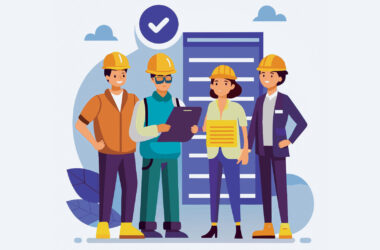
Illustration of construction workers
musman007/123RF

Mike was eager to start his new job at a construction site, ready to dive into the work that awaited him. However, his first day was far from what he expected. Instead of receiving proper safety training, he was handed a generic handbook and told to get to work. Unfamiliar with the specific hazards of the site and the protocols to follow, Mike felt lost and anxious.

Within his first week, Mike witnessed a serious accident when a colleague, also poorly trained, mishandled equipment and got injured. This incident highlighted the severe consequences of inadequate safety training. Not only did the injured worker face significant medical issues, but the company also had to deal with substantial financial repercussions, including medical costs, legal fees and potential fines. Moreover, the morale of the entire team plummeted, and the company’s reputation was tarnished.

This story underscores the critical importance of comprehensive safety training during the onboarding process in the construction industry. Effective onboarding is not just about integrating new hires into the workforce; it’s about ensuring their safety and minimizing legal liabilities. Here’s how construction firms can integrate comprehensive safety training into their onboarding programs.

The critical role of safety training in construction onboarding: Best practices for delivering safety training

1. Site-specific training

Each construction site has unique hazards. Providing site-specific training ensures that new employees understand the particular risks and safety measures relevant to their work environment.

  • Hazard identification: Conduct a thorough review of the site to identify potential hazards.
  • Custom training programs: Develop training sessions tailored to address these specific risks.
  • Interactive learning: Use visual aids, site tours and hands-on demonstrations to enhance understanding. Ensure training materials are digitally available on demand for employees to review.

2. Reinforcing safety protocols

Reinforcement of safety protocols is crucial for maintaining a culture of safety.

  • Regular toolbox talks: Hold daily/weekly safety meetings to review protocols and address any new risks.
  • Accessible safety information: Ensure that safety guidelines and procedures are readily available to all employees. Use digital platforms to distribute information in a timely and accurate manner.
  • Role-specific training: Provide additional training tailored to specific job roles and responsibilities.

3. Fostering a culture of safety

Building a safety-first mindset from Day 1 encourages employees to prioritize safety in all their tasks.

  • Leadership commitment: Ensure that company leaders actively promote and model safety practices.
  • Employee involvement: Encourage workers to take ownership of their safety and that of their colleagues.
  • Continuous improvement: Regularly review and update safety protocols based on feedback and incident reports.
Infographic
Newly hired workers face a heightened risk of injuries and fatal accidents due to their unfamiliarity with the field or workplace. Approximately half of all reported workplace injuries involve construction workers who have been employed for less than a year. Source: pinnacol.com

Enhancing learning and retention with interactive methods

1. Digital and virtual reality simulations

Virtual reality (VR) simulations provide an immersive learning experience that can significantly improve safety training outcomes.

  • Realistic scenarios: VR can recreate site-specific hazards in a controlled environment, allowing employees to practice responses without risk.
  • Engaging experience: Interactive VR training can be more engaging than traditional methods, improving retention.
  • Performance tracking: VR systems can track performance and provide feedback, helping to identify areas needing improvement.

2. Hands-on training

Practical, hands-on training sessions are essential for ensuring employees can apply safety protocols in real-world situations.

  • Equipment operation: Provide hands-on training with the actual equipment employees will use.
  • Emergency drills: Conduct regular emergency response drills to ensure preparedness.
  • Safety demonstrations: Use live demonstrations to show proper techniques and procedures.

3. Digital health and safety technology

Digital health and safety apps within the construction sector provide a multifaceted approach to enhancing workplace safety.

They offer features such as real-time hazard reporting, access to safety guidelines and regulations, interactive training modules, incident documentation and communication tools for reporting emergencies or seeking assistance.

These apps facilitate proactive risk management, empower workers to stay informed about safety protocols and enable efficient incident response, ultimately fostering a safer work environment for all.

Illustration of construction workers
musman007/123RF

Implementing a comprehensive safety training program

Safety should be the top priority for construction companies, as the industry accounts for 20 per cent of workplace fatalities annually in Canada. By implementing a comprehensive safety training program, organizations can significantly reduce accidents, injuries and associated costs.

Here’s how:

1. Assess and plan

Identifying site-specific hazards is crucial for effective training. Develop a detailed plan covering general safety topics as well as job-role specific modules tailored to your workforce.

2. Deliver engaging training

  • Use qualified trainers with extensive knowledge of safety regulations and industry best practices.
  • Invest in high-quality training materials like manuals, videos and presentations for better knowledge retention.
  • Make training interactive with hands-on simulations, VR modules and digital technology, which can increase knowledge retention by up to 75 per cent.

3. Monitor and improve

  • Regularly evaluate the program’s effectiveness through observations and worker feedback.
  • Track key performance indicators like incident rates, lost time injuries and near-misses to measure the training’s impact.
  • Update the program regularly based on new regulations, feedback and incident reports to maintain its relevance and effectiveness.

By integrating site-specific training, reinforcing safety protocols and fostering a culture of safety, construction firms can significantly reduce the risk of accidents and legal liabilities.

By implementing a comprehensive safety training program, construction companies can cultivate a strong safety culture. Studies show that organizations with robust safety practices experience up to 40 per cent fewer injuries and illnesses, leading to significant cost savings and improved productivity.

Conclusion

Effective safety training is a critical component of the onboarding process in the construction industry. By integrating site-specific training, reinforcing safety protocols and fostering a culture of safety, construction firms can significantly reduce the risk of accidents and legal liabilities. Interactive training methods, such as VR simulations, can further enhance learning and retention, ensuring that new hires are well-prepared to work safely.

AMC Services specializes in helping construction firms develop comprehensive safety training programs that protect their employees and their bottom line. Invest in robust safety training today and build a safer, more efficient workplace.