

The importance of Indigenous participation, equity and treaty rights in energy, construction and mining projects emerged as a key finding of the Saskatchewan First Nations Energy and Natural Resource Forum, held from May 26 to 28.
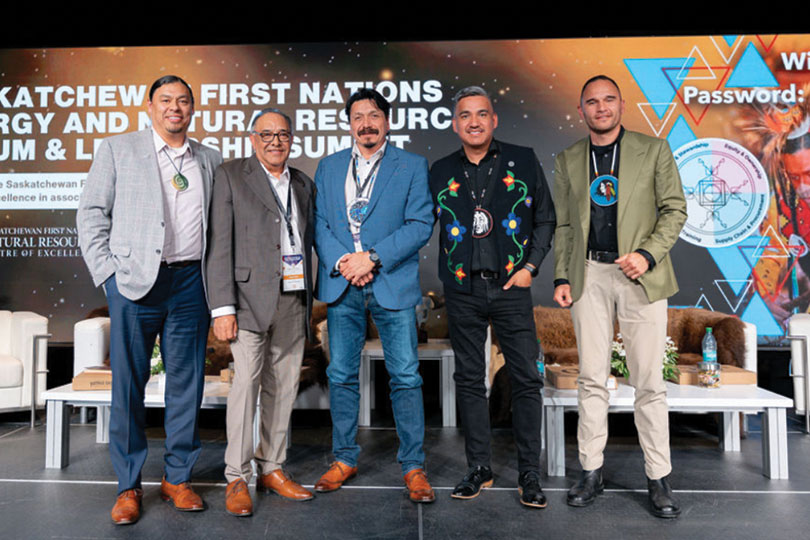
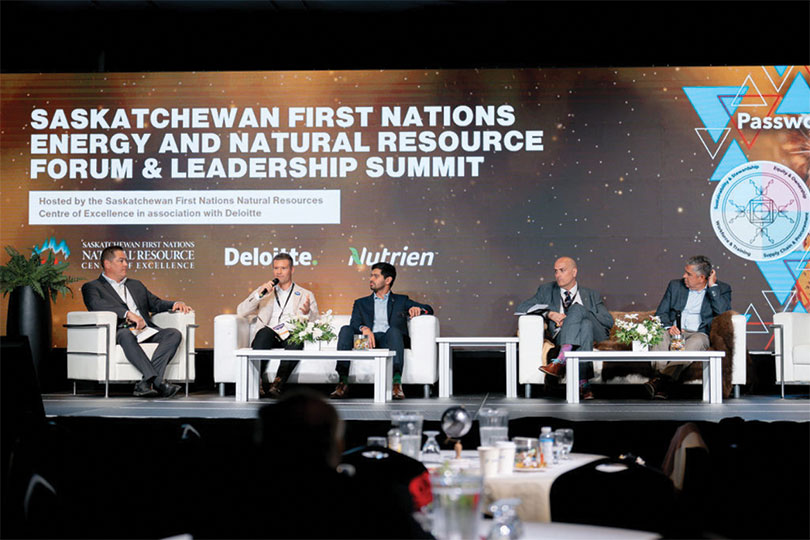
About 450 Indigenous leaders, industry executives and government decision-makers converged in Saskatoon for the forum, hosted by the province’s First Nations Natural Resource Centre of Excellence. Event speakers included First Nations chiefs, industry leaders from Cameco, SaskPower, Nutrien and other companies, as well as government officials, including Tim Hodgson, Minister of Natural Resources Canada.
“I think the major takeaway was the critical importance of First Nations involvement at all levels in energy projects,” said Sheldon Wuttunee, president and CEO of the centre. The event brought together Indigenous communities and key players from the provincial and federal governments to “look at opportunities in Saskatchewan [for] being a world-class mining jurisdiction,” Wuttunee said. One of the key players was Blair Wagar, former Deputy Minister of Energy and Resources and, as of June 2026, current Deputy Minister of Social Services, who spoke at the event. For Wagar, the forum “was a really positive environment that highlighted where we had successes and where we have to do more work.”

He highlights the province’s unique position as a leader within the country’s broader energy sector. “We’ve been very fortunate,” he said. “We have world-class deposits when it comes to uranium. We’re continuing to grow in interest around the globe. You can chase all of that to northern Saskatchewan. [The province] is known for providing energy security and food security across the country and around the globe.”
A seat at the table
With the inclusion of First Nations communities as the forum’s central theme, both Wuttunee and Wagar highlighted the growth of Indigenous involvement, with Wuttunee noting that there has been “constitutional recognition from the federal government to ensure First Nations are discussed.” He says Indigenous participation in the sector has come a long way over the years. “When we look at the last 20 years and how far we have come, First Nations have put in a considerable amount of energy, resources and investment.
“We focus on early and meaningful engagement and consultation as they relate to treaty rights from a First Nations perspective,” he said, noting that it starts at the top with the inclusion of First Nations leadership and elders. Wuttunee also emphasizes the importance of the labour market, mobilizing First Nations to be included in projects and using inclusive language. “All of these aspects really come together to make sure that we get a seat at the table,” he said.
From participation to ownership
The proof is in the proverbial pudding, as Wuttunee pointed to an increasing number of Indigenous-owned projects, particularly in southern Saskatchewan and in the oil and gas, uranium and forestry industries. He says the next step for First Nations involvement is in the potash industry. He also reports greater Indigenous involvement in workforce development and supply chain logistics. Wagar concurs, noting that “the industry is growing when it comes to understanding the benefits of having First Nations communities involved.”
“The industry is growing when it comes to understanding the benefits of having First Nations communities involved.”
– Blair Wagar, Saskatchewan Government
These benefits include greater respect for treaty rights, stronger relationships among developers, governments and local communities and economic opportunities for Indigenous communities. But perhaps the most significant advantage of Indigenous involvement, Wuttunee says, is that First Nations communities often find themselves “with a different approach and different perspective.”
Wagar highlights that Saskatchewan is home to NorSask, Canada’s largest First Nations-owned sawmill. He also adds to the list of Indigenous projects the emergence of companies such as NextGen Energy and Denison Mines, a uranium mining company. Despite the growth in First Nations involvement and ownership across the industries, Wagar and Wuttunee both confirm that more work remains to be done. “It really resonated with me that we have a lot more to do for economic reconciliation with Indigenous communities,” Wagar said.
Wuttunee shares a similar sentiment. “I think there’s still work that needs to be done, especially in terms of access to capital and financing…. There’s much more to do in the years to come,” he said.