
Nathan Duncan, a Caterpillar-certified dealer instructor with Finning responsible for the Saskatchewan territory, has been working in the industry for over 20 years. He brought his message of the importance of quality operator training to the 2025 SHCA Infrastructure Summit and Trade Show.
“I am one of 105 in North America spread out among the dealers,” said Duncan. “If you have ever been to CAT for one of their demonstrations or have ever taken training at one of the CAT facilities, we are the dealer version of the instructors you would have seen at CAT, and we get trained to the same standards as they do.”
Operating heavy machinery is inherently dangerous, and quality training is the most effective way to help operators understand safety features and protocols, which is crucial for preventing injuries and fatalities on the job. Operator training can be broken into three key areas: safety, uptime and productivity.
“Untrained operators are significantly more likely to cause accidents, injuries or even fatalities due to a lack of understanding of machine controls and potential jobsite hazards,” said Duncan. “Proper training provides operators with the knowledge and skills to handle equipment safely and follow established safety protocols. Our training programs teach operators to identify and mitigate potential risks on a job site. We follow a proactive training approach that prevents incidents before they occur.”
Routine inspections, such as daily walkarounds by operators, help spot signs of wear on crucial components. A single minor issue, if left unaddressed, can quickly impact other systems. A consistent inspection program encourages operators to take ownership of their equipment’s condition. By training operators to be an active part of the maintenance and care process, it transforms equipment operation into a more reliable, efficient and cost-effective activity, directly increasing machine uptime.
Ultimately, quality operator training is a direct investment that translates into more work completed in less time.
Trained operators know how to use all the machine’s functions and controls to maximize jobsite performance, resulting in higher-quality work and less rework, which saves significant time and costs. Quality training also helps operators learn skills to more effectively manage resources, resulting in lower operating costs and a more sustainable operation. The industry is constantly changing, with technology playing an important role in how operators effectively use their skills to deliver higher-quality outcomes and lower overall operating costs.
“Modern equipment often includes advanced systems like GPS guidance, automated controls and payload weighing technology designed to enhance efficiency,” said Duncan. “Training ensures operators can utilize these features effectively. The tech-savvy younger generation is often more interested in industries that use modern tools and technology. Integrating high-tech solutions can make a career in heavy equipment operation more appealing and engaging.”
Ultimately, quality operator training is a direct investment that translates into more work completed in less time. Duncan is also a big proponent of hiring a professional trainer, either to properly qualify and train your internal trainers or to qualify and train your operators directly.
“In-house training can lead to several common mistakes when training heavy equipment operators, which can compromise safety and efficiency on the job site,” said Duncan. “Operators need extensive hands-on practice to develop muscle memory and situational awareness. Informal training results in inconsistent skill levels and safety knowledge among operators. In-house training often concentrates only on the technical skills needed to run the machine, while neglecting crucial safety protocols, daily maintenance checks and communication procedures, which are vital for a safe operation.”
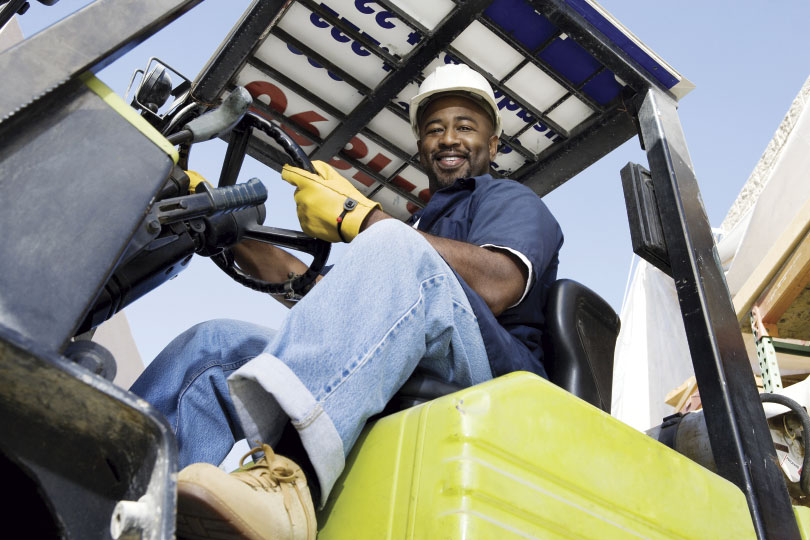
What does a professional trainer bring to the table that an in-house one does not? A professional trainer establishes standardized safety protocols and ensures all operators are thoroughly educated on hazard recognition and avoidance. This drastically reduces the risk of accidents, injuries and fatalities, which protects employees and limits the company’s liability in the event of an incident.
“As expert instructors, we can teach operators how to use equipment to its maximum capacity efficiently, minimizing wasted time and rework,” Duncan said. “We teach techniques to optimize work cycles, which translates into faster project completion and improved profit margins. Unlike informal on-the-job training, where quality can vary depending on the mentor, as dedicated instructors, we provide a structured, consistent curriculum. This ensures all operators receive the same high standard of education and a solid theoretical foundation, not just practical skills. We must be certified to the standards of the manufacturer and must annually complete ongoing training and retention to remain active as instructors.”
A professional instructor can also ensure operators are well-versed in the advanced technology (like GPS guidance systems) integrated into modern heavy equipment, maximizing the return on investment of these expensive tools. Professional training is an investment that demonstrates a company’s commitment to its employees’ safety and professional growth.
“Employee training increases both job performance and job satisfaction, boosting employee confidence as well,” said Duncan. “Recent research has indicated that companies that prioritize employee training and development retain workers more than companies that do not.” Duncan is a strong believer that companies that provide proper equipment training reap the benefits of increasing overall productivity and morale by investing in their employees.
“It is one of the easiest decisions that a company can make,” said Duncan.
Martin Charlton Communications is the largest public relations company in Saskatchewan and one of the largest in western Canada.